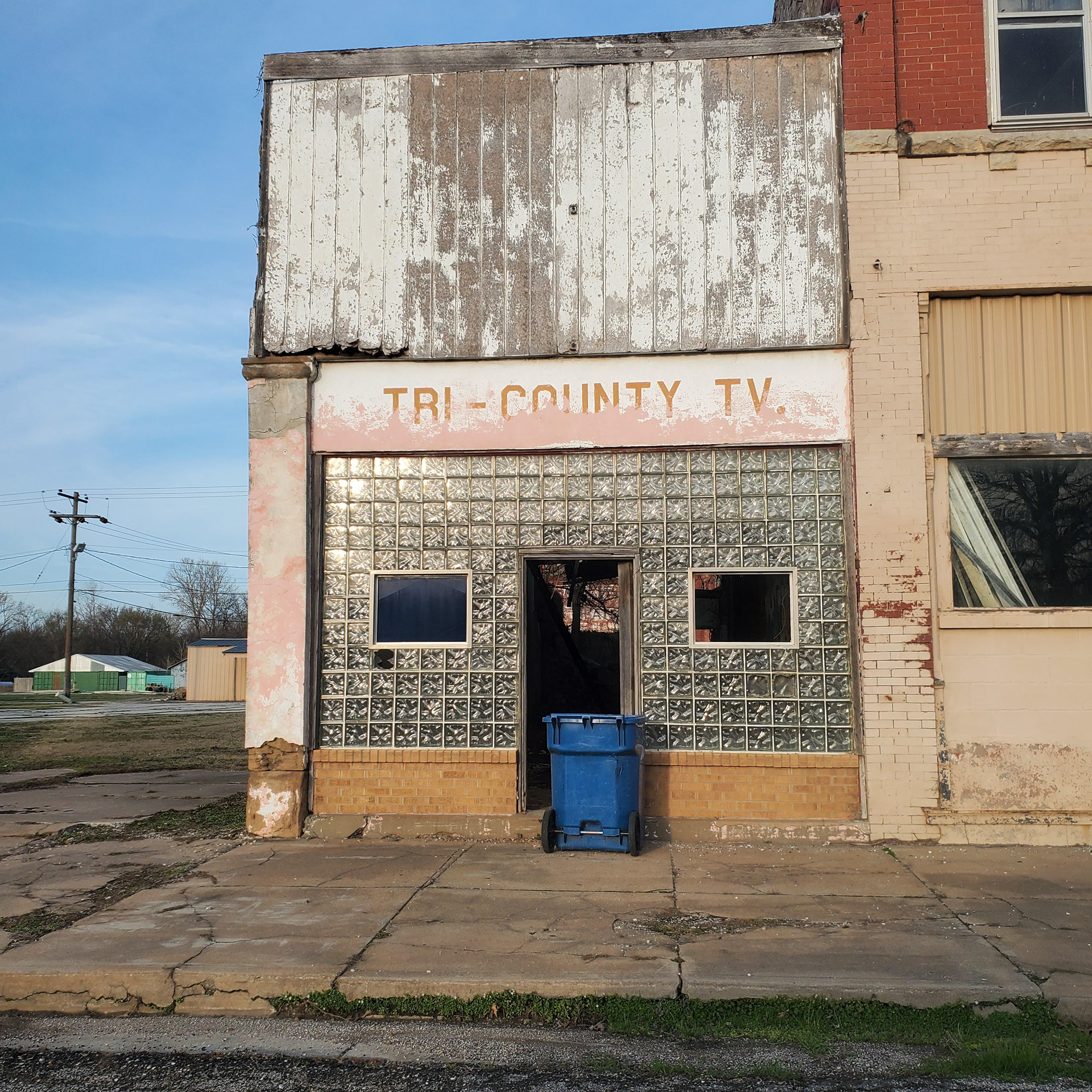
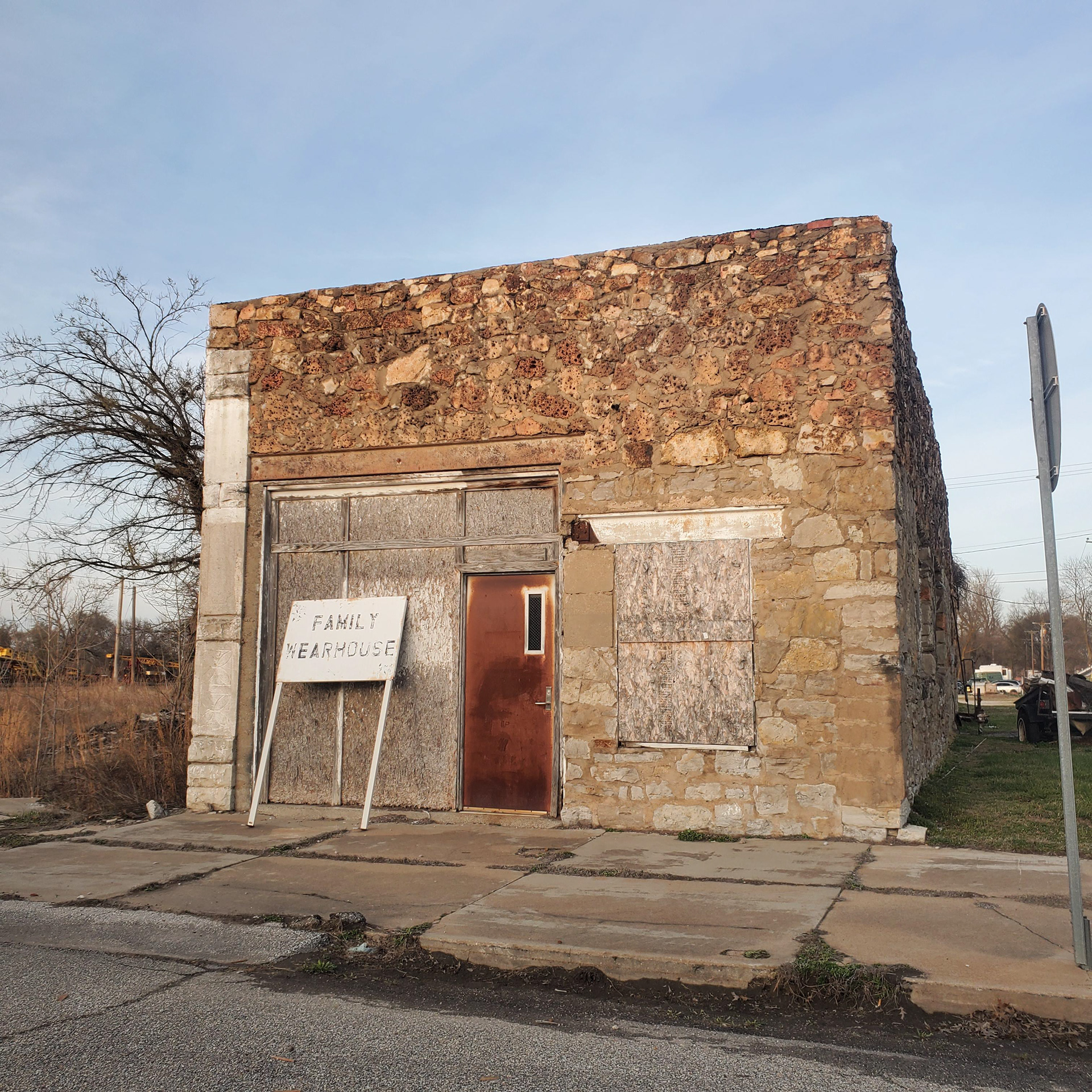
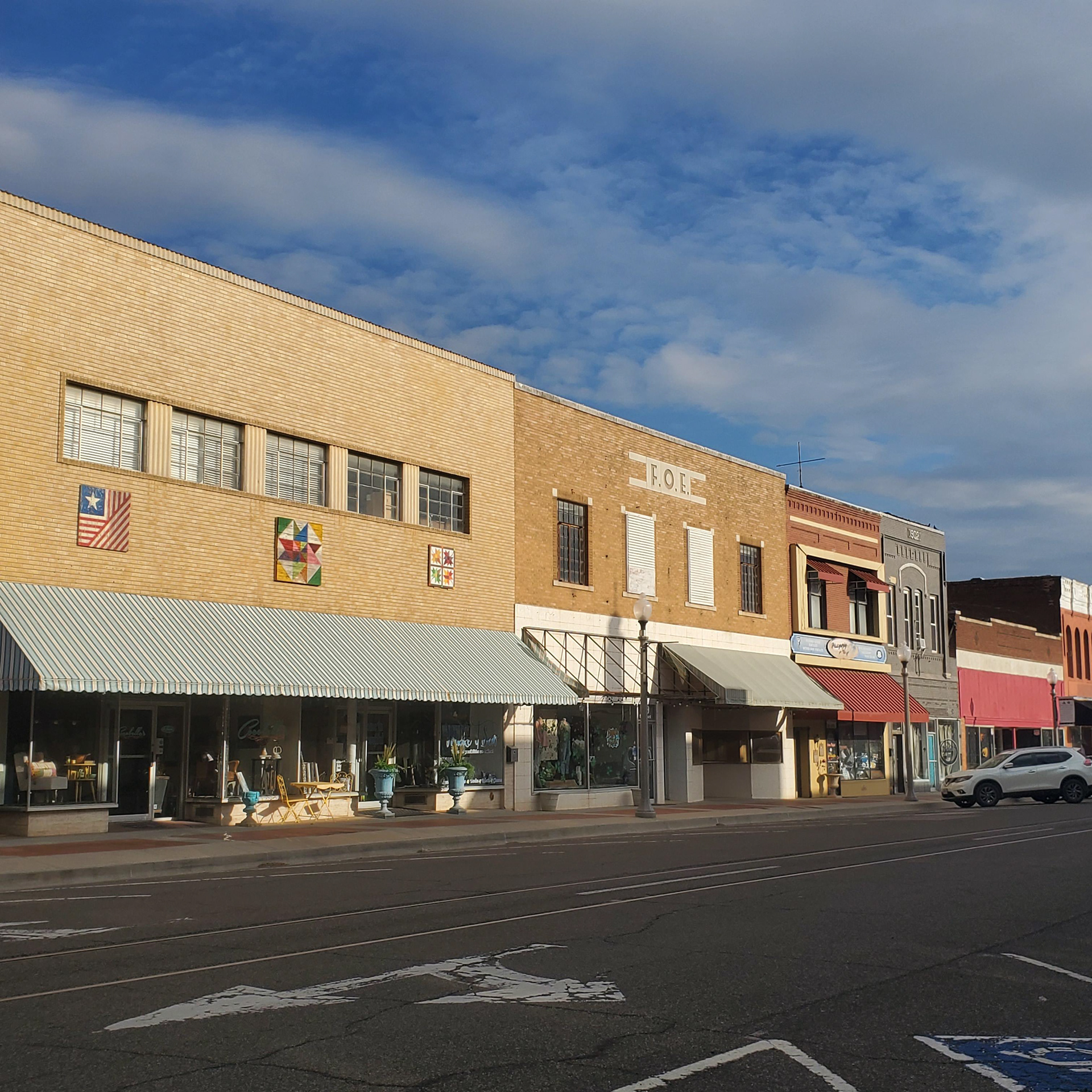
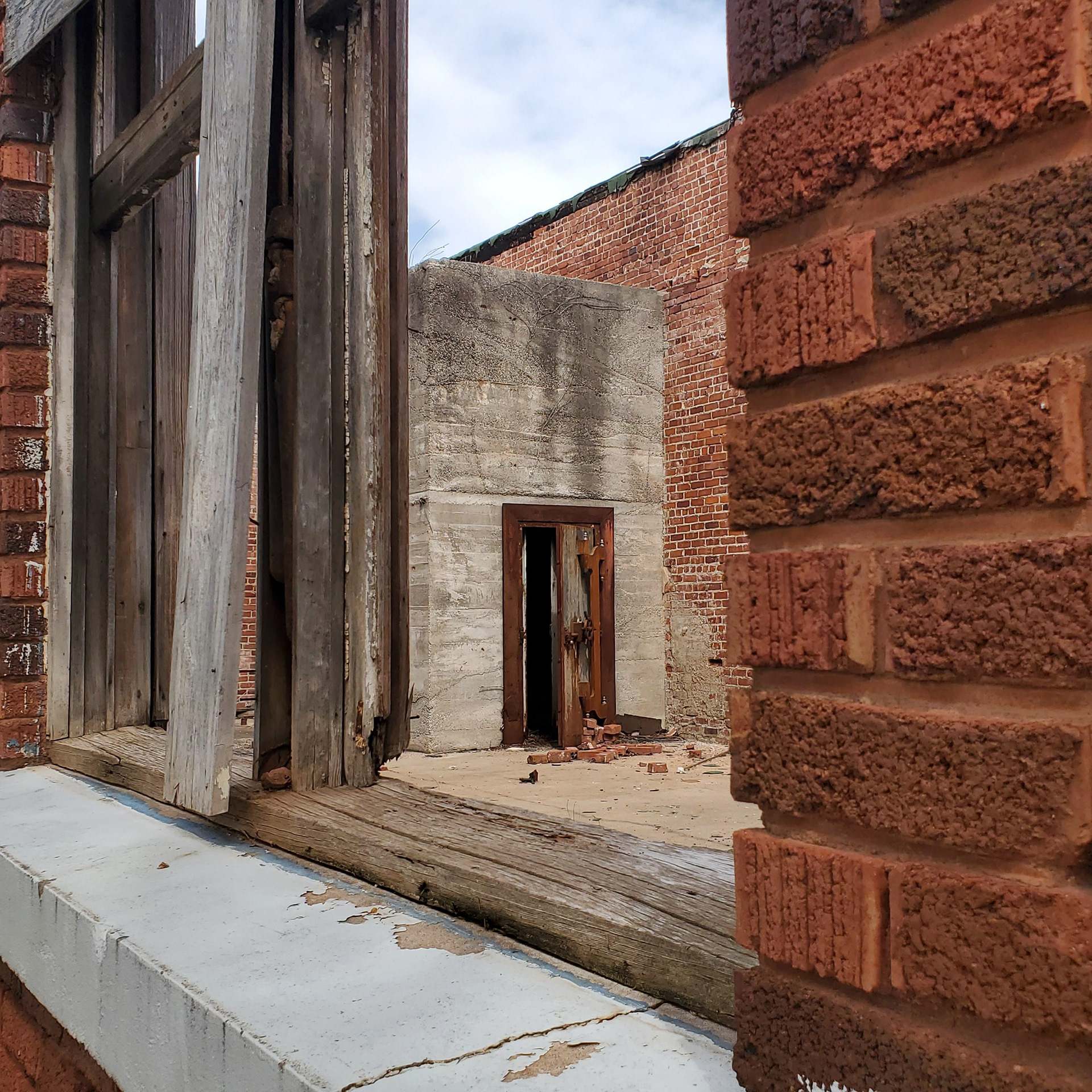
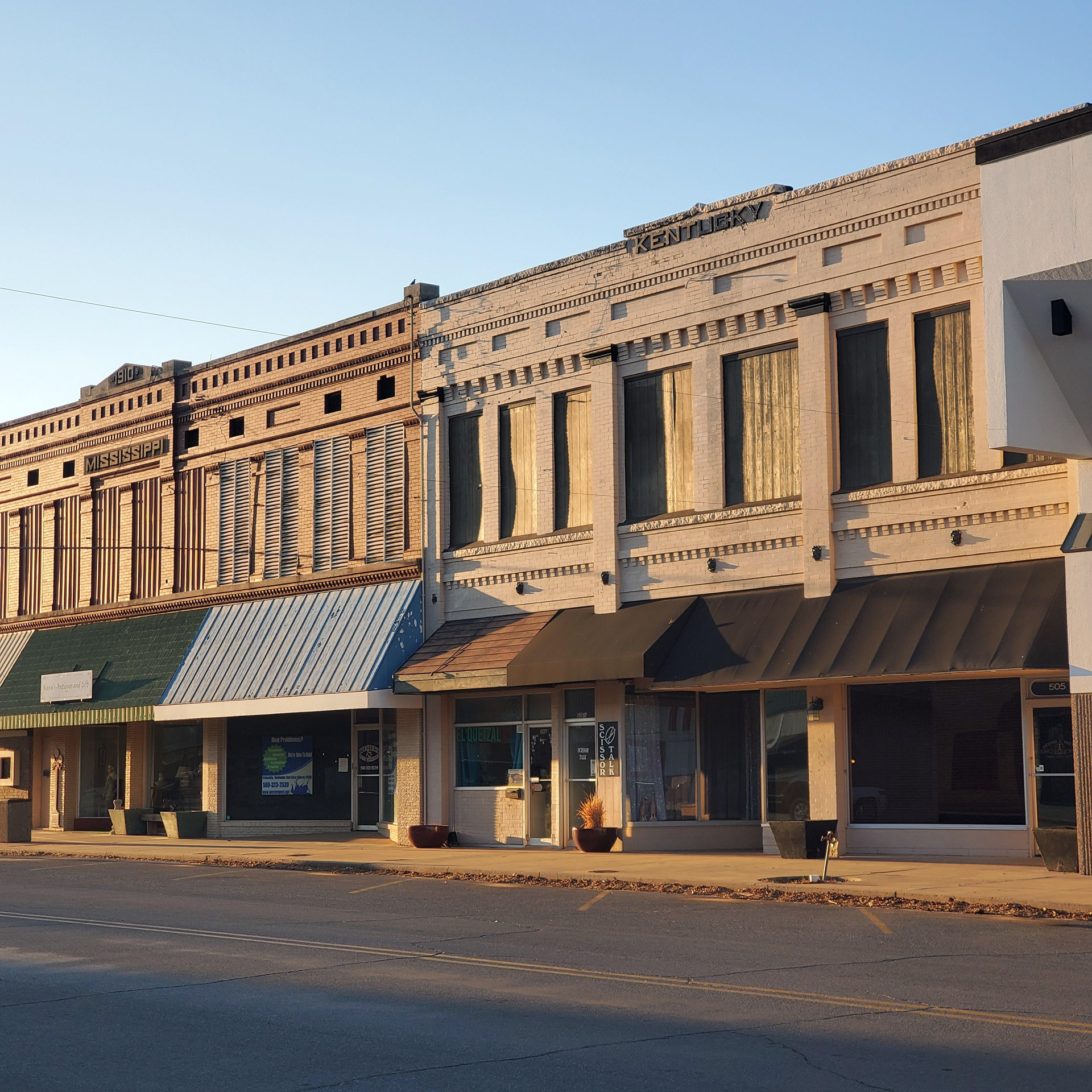
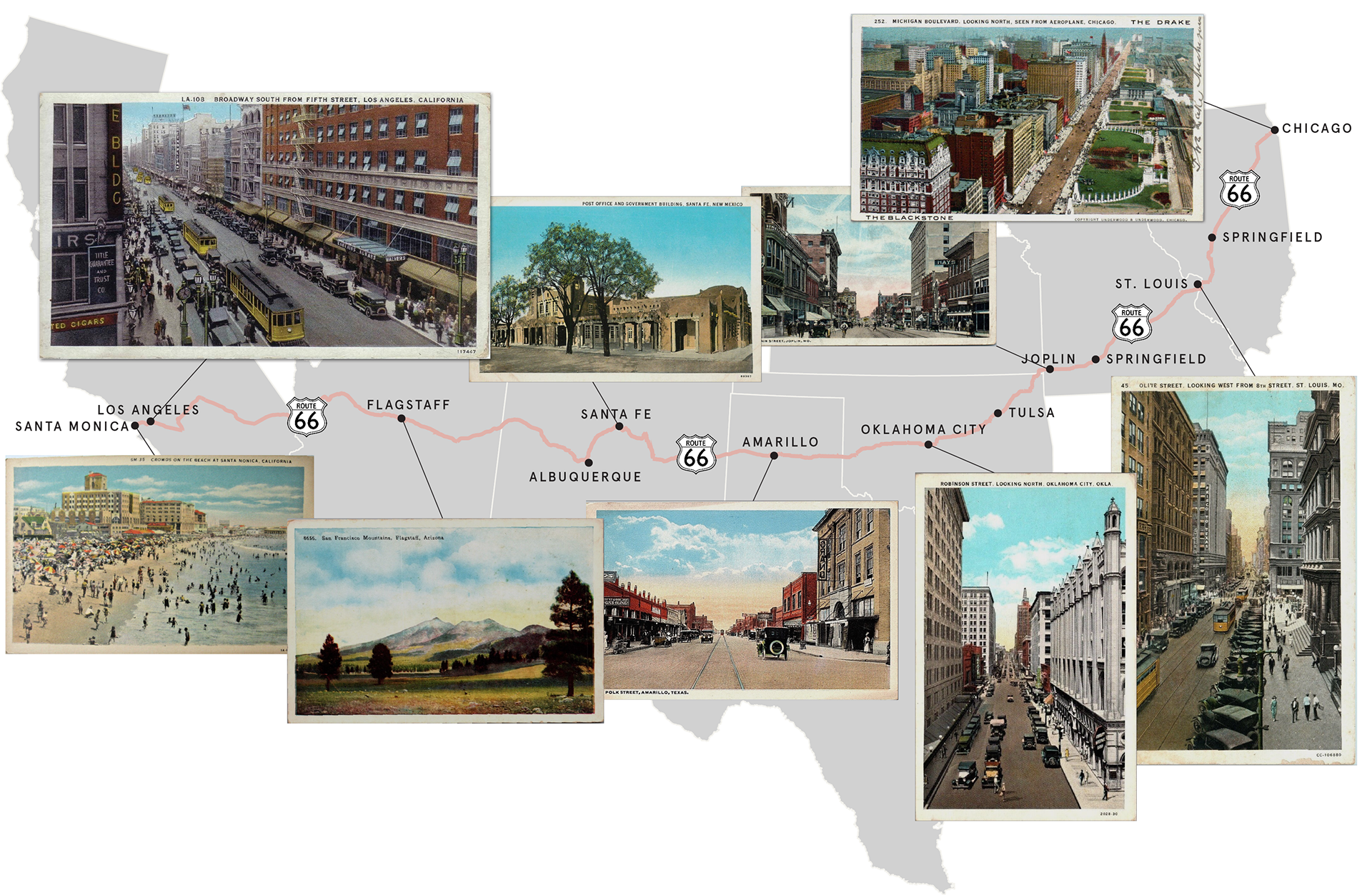
Small towns along Route 66—the storied highway commissioned in 1926 to connect the Main Streets of dozens of communities between Chicago and Santa Monica—lost a major pillar of their economies, tourism, when the Interstate Highway System began bypassing them in the 1950s and led to Route 66’s official decommissioning in 1985. As continued depopulation and disinvestment exacerbate the struggles incurred by changes in transportation modes and routes, globalization, and suburbanization, the cultural heritage—both built and unbuilt, tangible and intangible—of these communities remains at risk.
The study examines the suitability of the Albergo Diffuso model for Route 66 communities, considering their unique characteristics and development patterns. The research explores the economic, social, cultural, and environmental implications of implementing the model along the historic route.
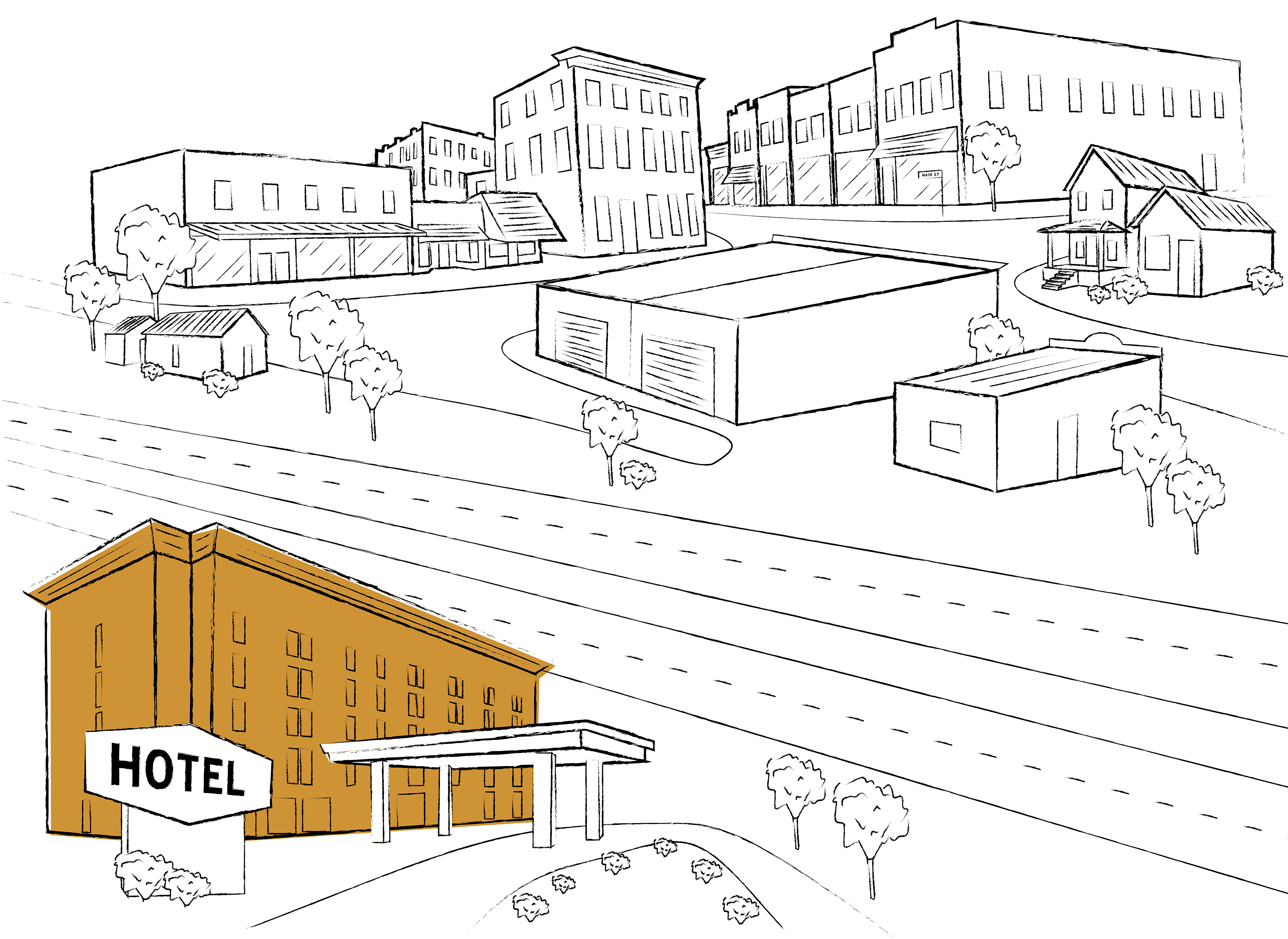
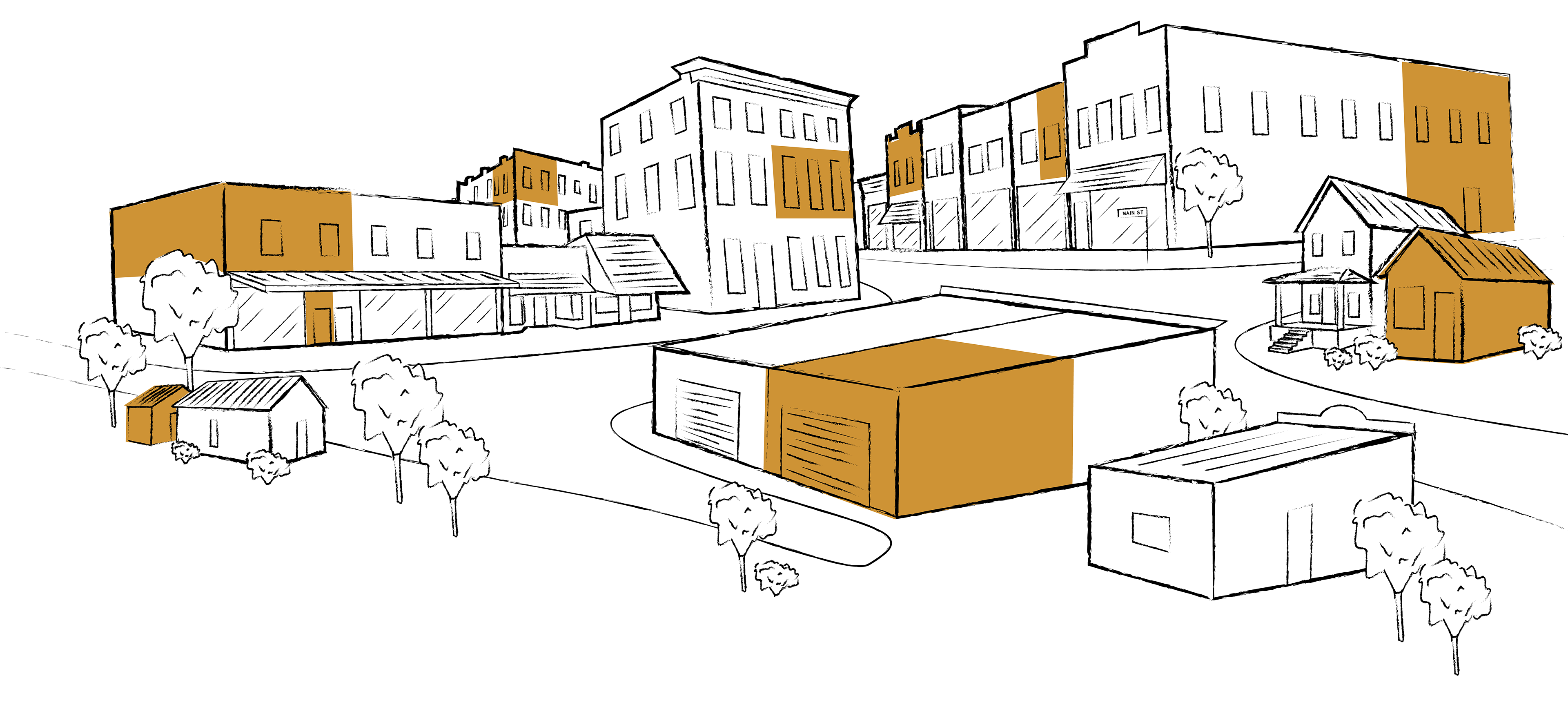
Conceived by Giancarlo Dall'Ara, the Albergo Diffuso is a community-based tourism model that involves adapting vacant historic buildings into a scattered network of guest rooms that immerse guests in local life. It reinforces local heritage and identity in design, offering, and experience, offering a holistic approach to heritage preservation that combines the conservation of historic buildings and revival of cultural practices with community development and economic revitalization.
Ordinary Hotel
Albergo Diffuso
Guest rooms and amenities vertically integrated in a single building
Disconnected from the local community
Located in a newly constructed building in a standard, non-contextual style
Standardized offering
Guest rooms and amenities horizontally scattered across multiple buildings
Integrated in the local community
Located in formerly underutilized historic buildings that have been preserved
Offering unique to community
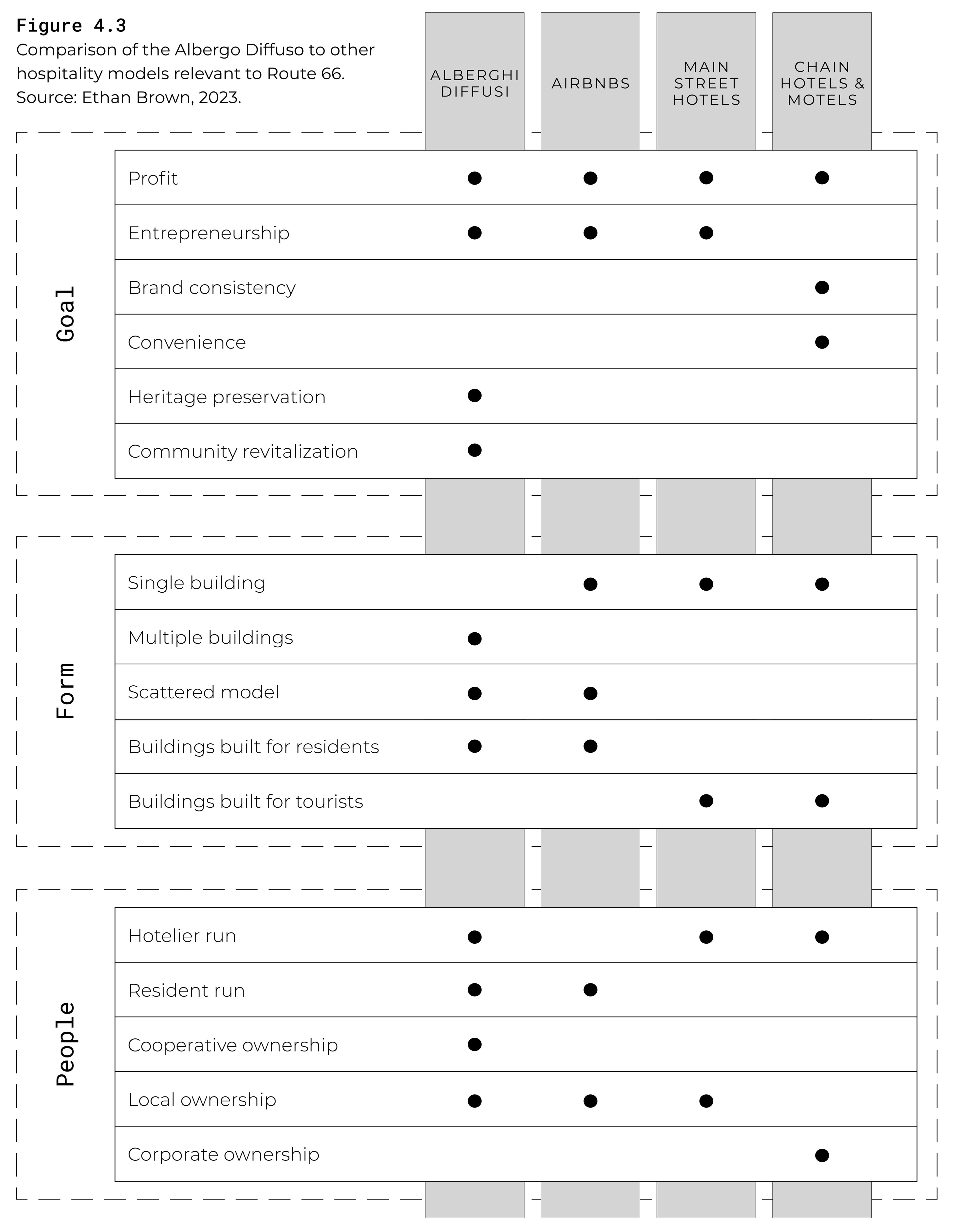
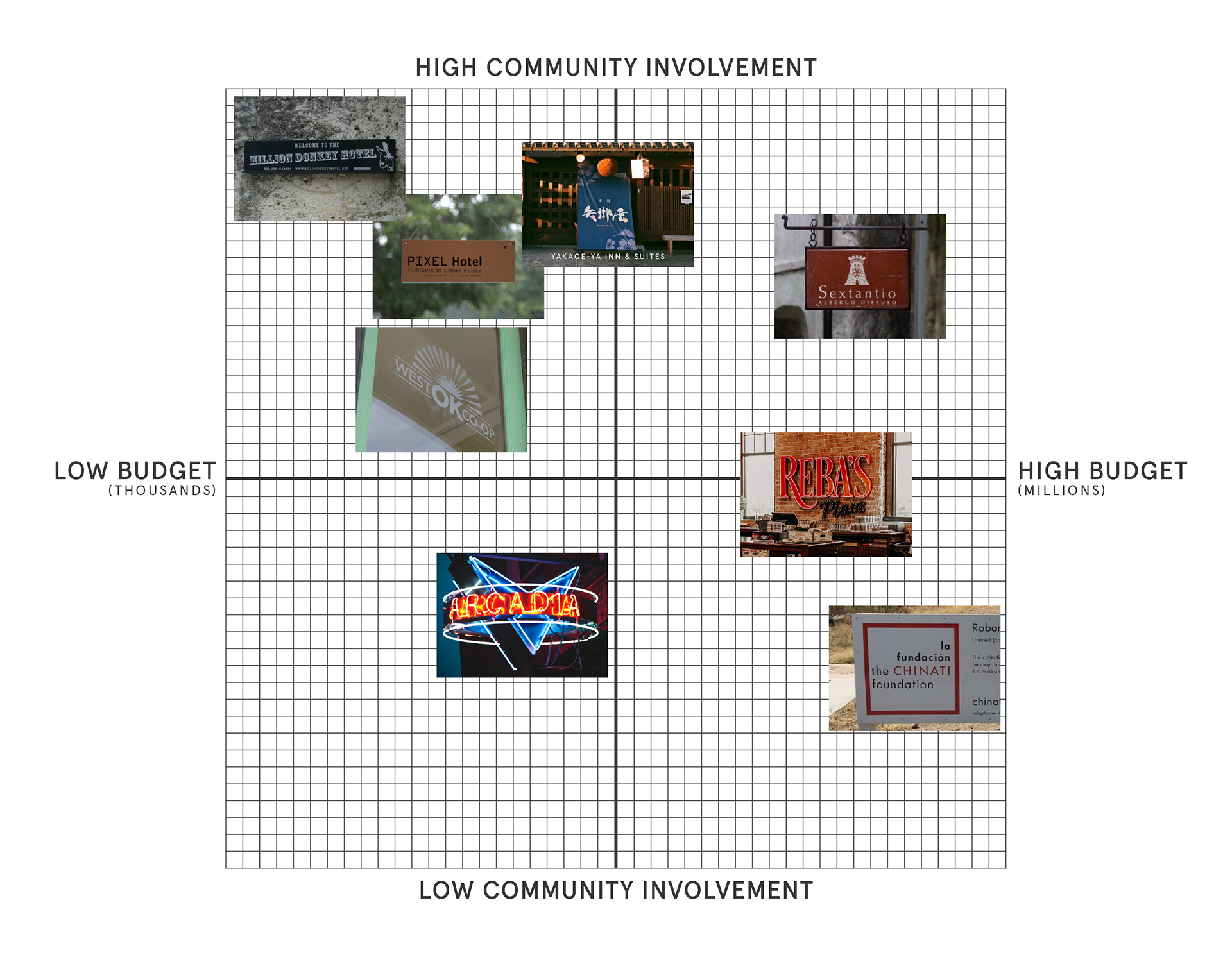
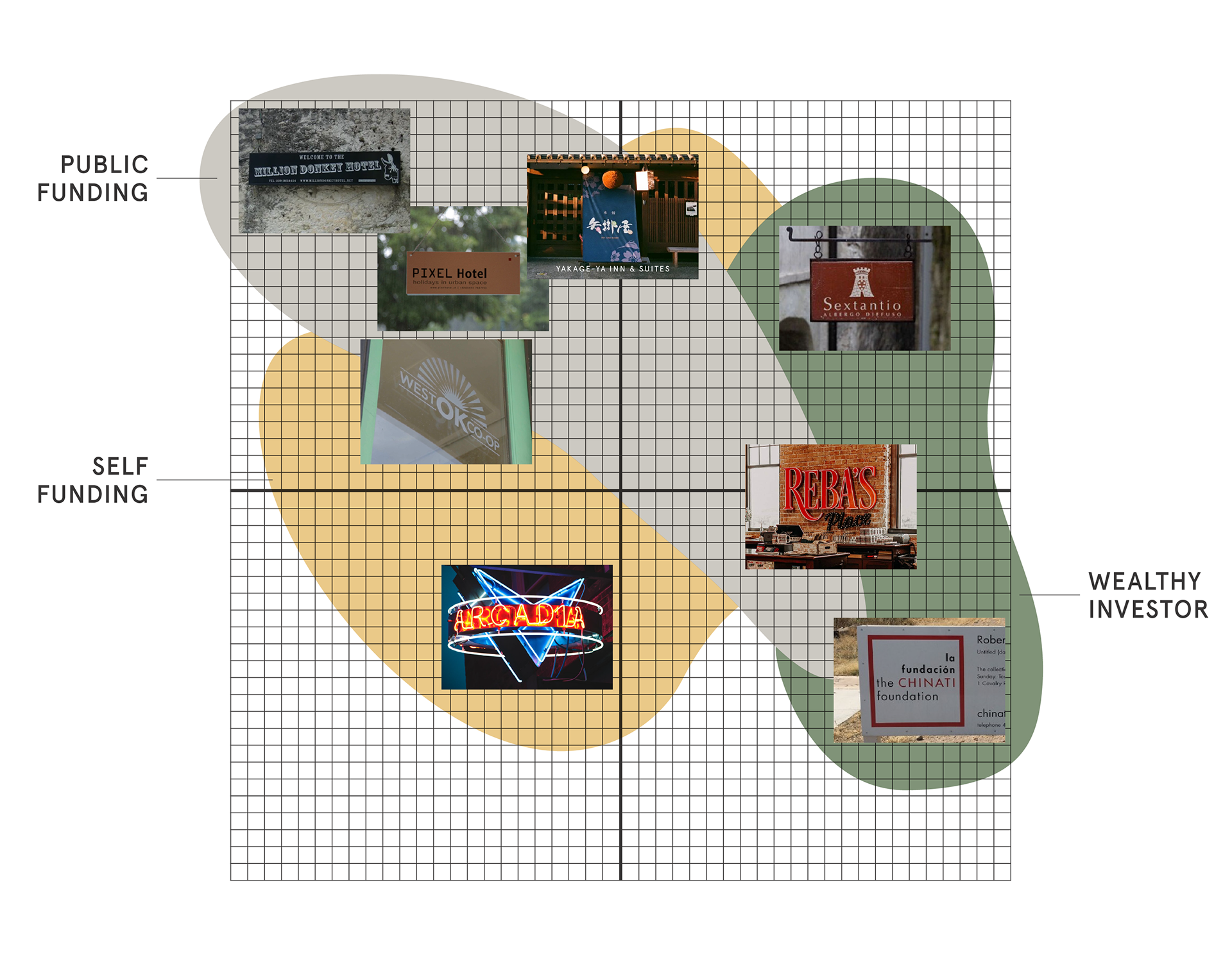
To survey the application of the Albergo Diffuso and other community-based tourism initiatives, a selection of precedents were analyzed. Each project’s rationale, budget, funding sources, level of community involvement, and founder profile were taken into consideration. The relationship between these metrics was compared to draw out insights regarding power dynamics, best practices, and other themes relevant to the application of the Albergo Diffuso along Route 66.
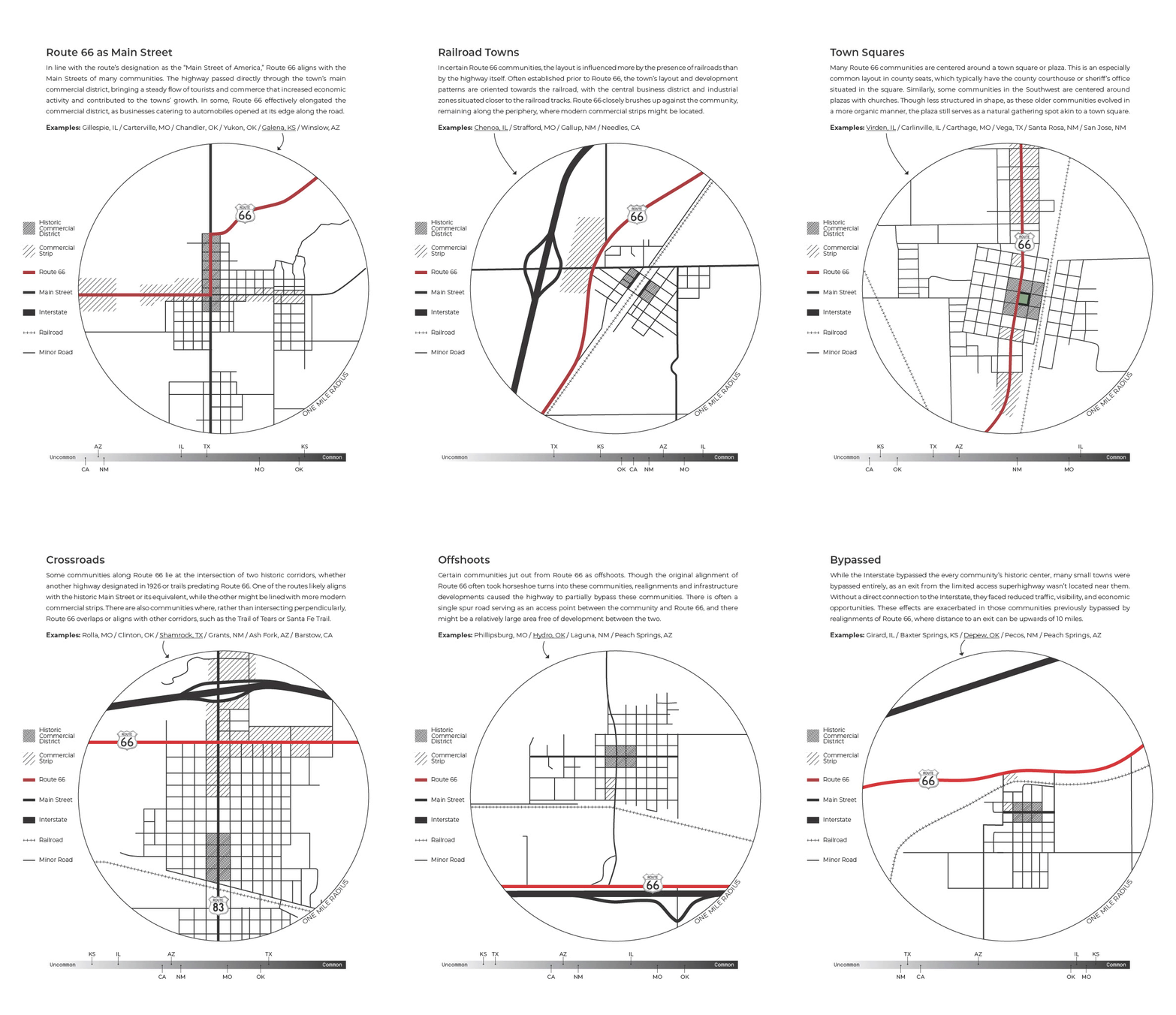
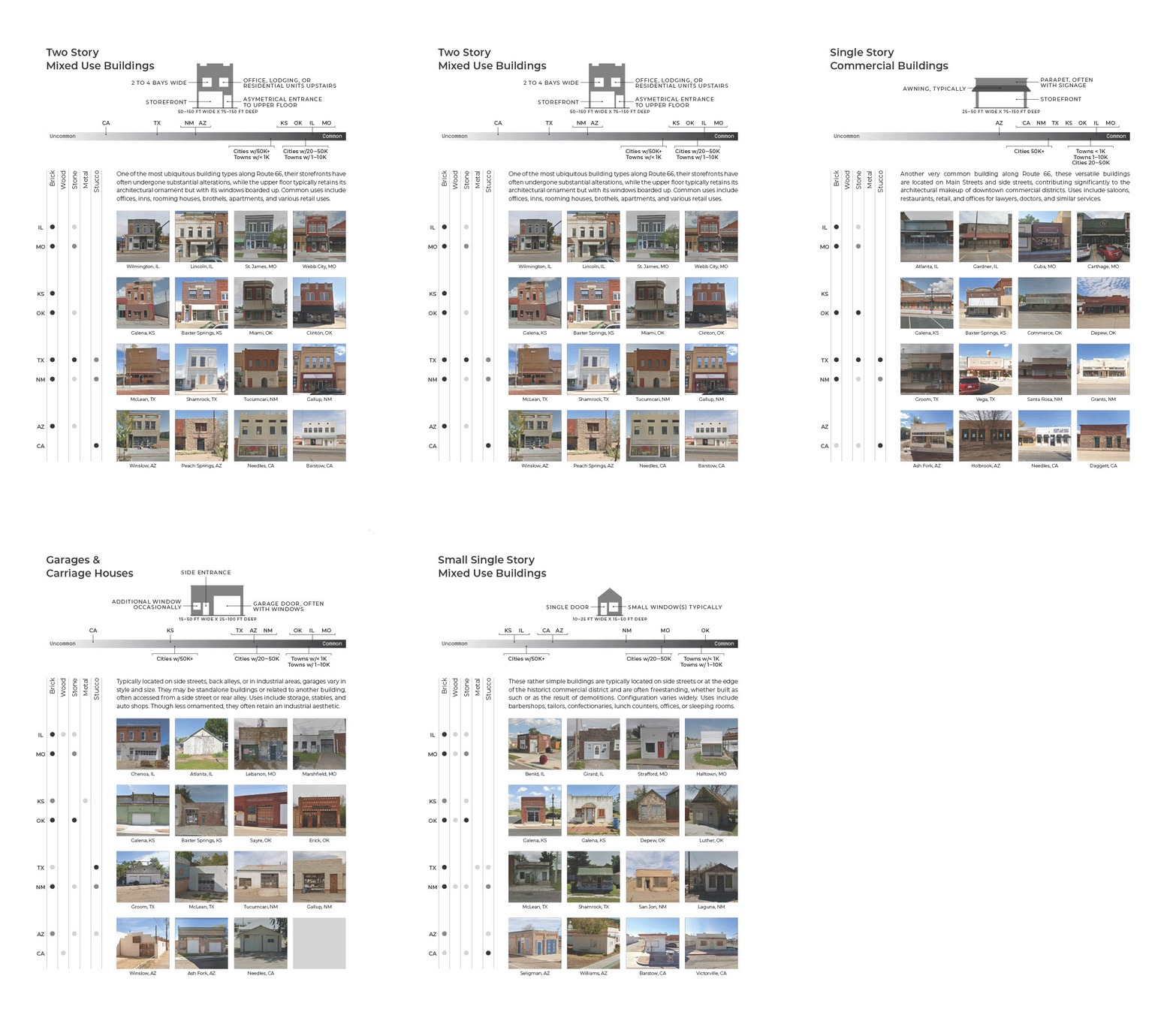
The analysis also included a digital reconnaissance-level survey to identify and categorize the types of communities and buildings along Route 66. These typologies helped assess the suitability of each setting for implementing the Albergo Diffuso model, as well as the specific challenges and opportunities associated with each.
Case study
To illustrate how the Albergo Diffuso might be implemented in a small town along Route 66, a case study of Depew, Oklahoma was conducted as the final assignment for the course Redevelopment and Reuse of Historic Buildings.
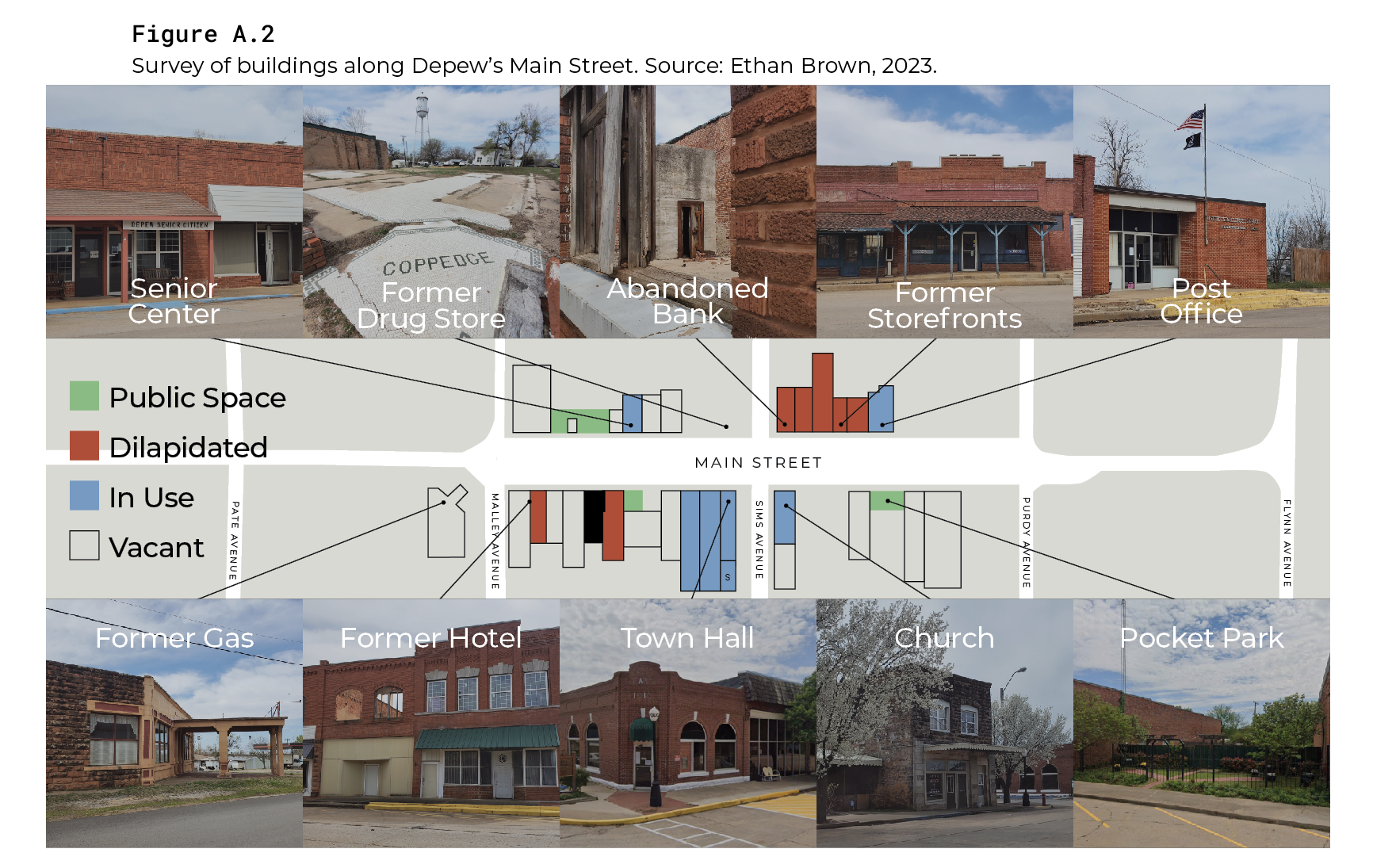
Identifying the resources and potential partners is an imperative first step in developing a successful Albergo Diffuso that is rooted in the community’s values and cultural heritage.
Some of the identified resources in Depew include its location on the 1926 alignment of Route 66; its well-preserved original concrete roadbed; its street art; and its quietness. Potential partners identified include the Muscogee (Creek) Nation, with whom a collaborative partnership could be developed to ensure that the project meaningfully represents Native American history and culture while supporting local economic development through a potential revenue-sharing agreement; Depew-born Wayne Cooper, a prominent Western painter and sculptor of Yuchi descent who often hosts open studios; the Depew Senior Center, which could facilitate an oral history project; and the nearby Living Kitchen Farm & Dairy, an LGBT-owned farm-to-table restaurant whose clientele aligns with the Albergo Diffuso’s target market and with whom co-marketing or experiential partnerships could be developed.
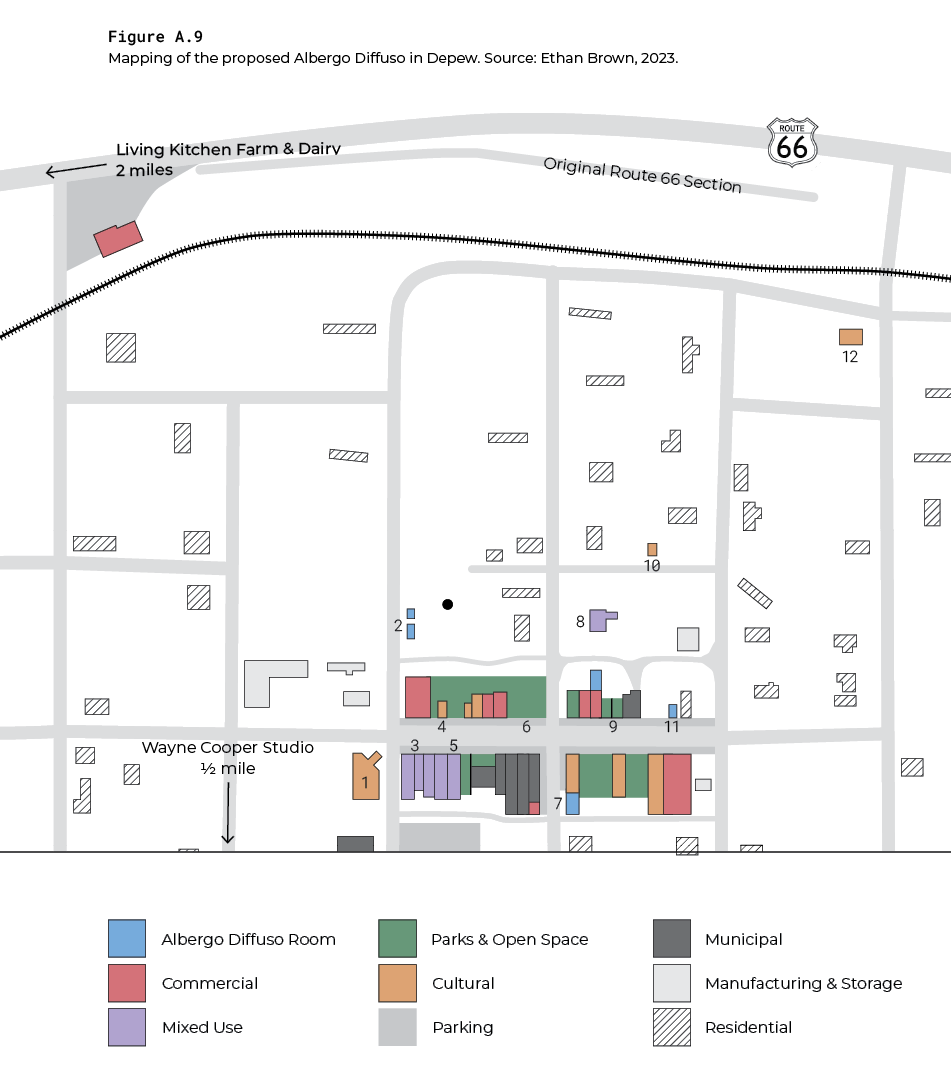
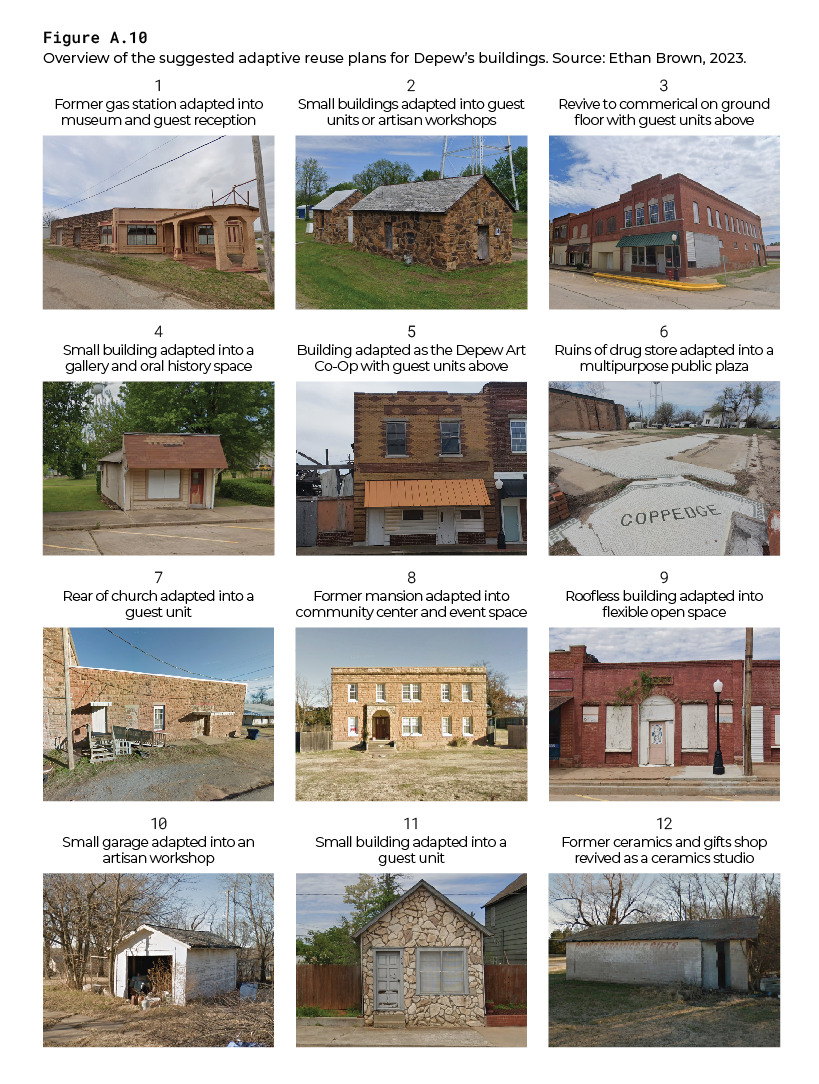
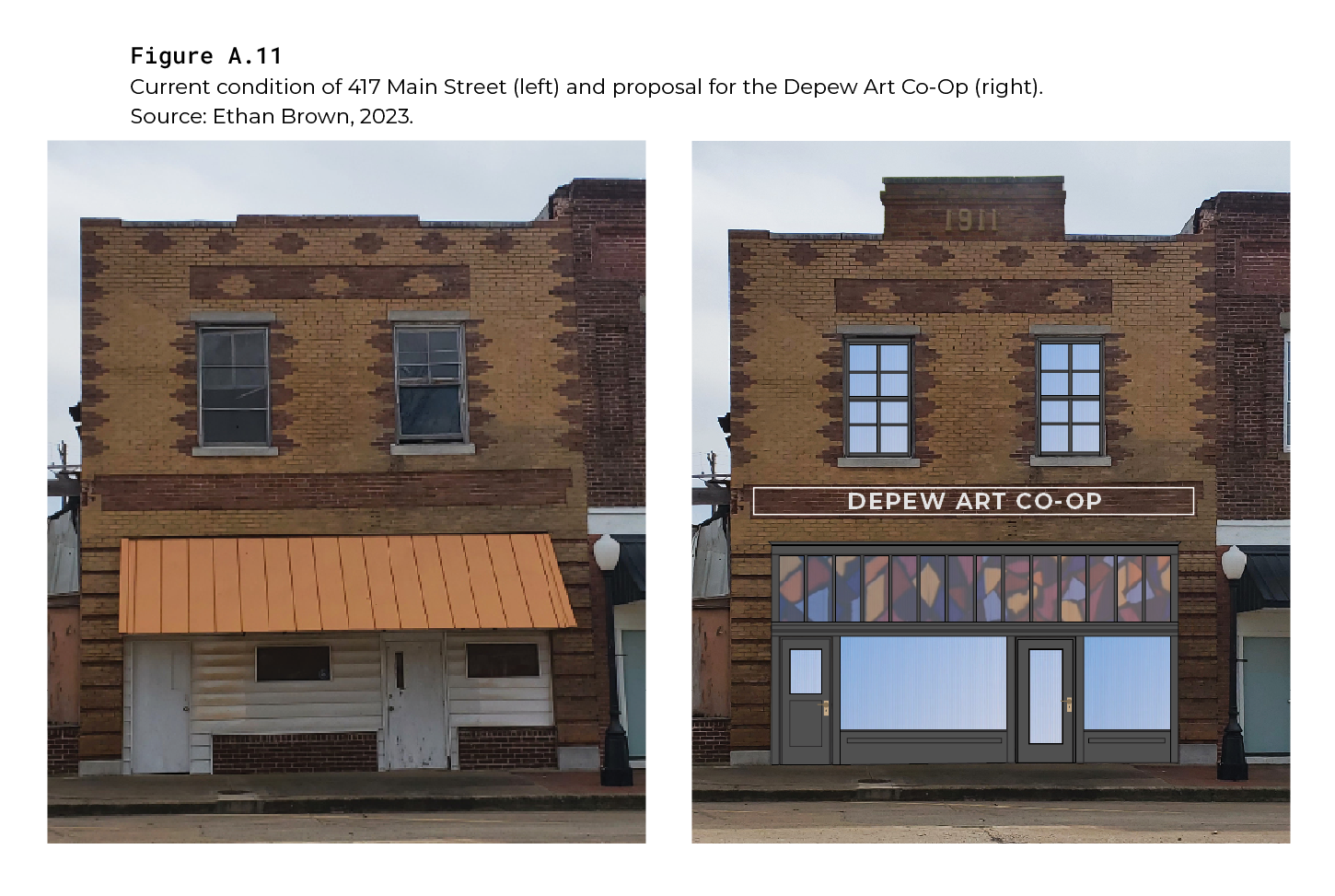
Recognizing the anomalous amount of street art for such a small community—paired with the presence of Wayne Cooper—an art cooperative was suggested as a central asset in Depew. This venture could help encourage and equip locals to continue painting murals around town, which could in turn be highlighted as a sightseeing attraction for tourists.
Inspired by the West OK Co-Op in Clinton, Oklahoma, it was envisioned that the Depew Art Co-Op would offer studio space for various art forms, while also serving as a “third space” for the community to gather. Upstairs guest rooms decorated with local art would offer travelers a unique local experience.
recommendations
The thesis concludes with recommendations for an incremental implementation strategy, highlighting the importance of community engagement, partnerships, and sustainable tourism practices to foster the revitalization of Route 66 and create a more vibrant and inclusive destination. The recommendations included the following:
1. Highlight the significance of the historic Main Street commercial corridors that comprised the “Main Street of America.”
2. Communicate the benefits of Albergo Diffuso implementation to communities through “activated participation events” that simultaneously build community and survey the built fabric.
3. Incrementally implement the Albergo Diffuso at the regional, local, and building levels, as funds, labor, and community capacity permit—beginning with an Albergo Diffuso incubator program.
4. Establish a set of core requirements regulated at a Route 66-wide or federal level to ensure that the integrity of the Albergo Diffuso concept is maintained, yet encourage states and communities to tailor the model to their unique contexts, needs, and regulatory frameworks
5. Leverage the international appeal of Route 66 through Albergo Diffuso development initiatives and collaborative marketing schemes.
6. Foster the transmission of knowledge, goods, and services across the Route 66 corridor.
7. Leverage and partner with existing sustainable tourism initiatives along Route 66 to enhance the promotion and implementation of the Albergo Diffuso as a sustainable tourism offering.
8. Tap into the full breadth of histories that make each destination unique, while continuing to leverage Route 66 in marketing and economic development.
9. Balance tradition and innovation in design, experience, and interpretation to attract, engage, and educate visitors.